










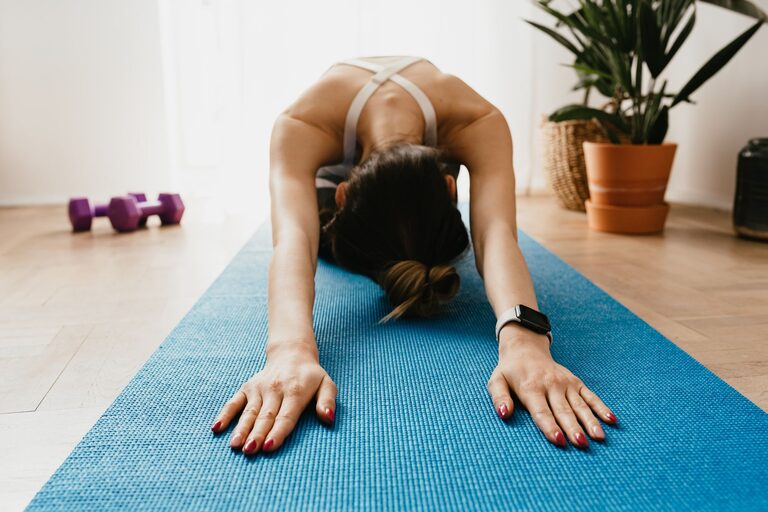
Stretching is an essential part of any fitness or wellness routine. Whether you’re an athlete, someone who sits for long hours, or just starting to explore physical activity, stretching helps improve flexibility, reduce muscle tension, and promote better posture. The best part? You don’t need a gym or special equipment to start stretching — you can do it right at home!
This beginner’s guide will walk you through the basics of stretching, explain why it’s so important, and provide simple routines to help you get started safely and effectively.
Why Stretching Matters
Stretching offers many benefits for your body and mind:
– Improves Flexibility: Regular stretching increases the range of motion in your joints, making everyday movements easier.
– Reduces Muscle Tension: It helps release tightness in muscles, which can reduce discomfort and stiffness.
– Enhances Circulation: Stretching promotes better blood flow, which supports muscle recovery and overall health.
– Prevents Injuries: By warming up your muscles and increasing their elasticity, stretching lowers the risk of strains and sprains.
– Boosts Relaxation: Stretching can calm your nervous system and relieve stress, especially when combined with deep breathing.
Types of Stretching
Before you start, it’s good to understand the two main types of stretching:
1. Static Stretching
This involves holding a stretch in a fixed position for 15 to 60 seconds. It’s great for cooling down after exercises or improving general flexibility.
2. Dynamic Stretching
This type uses controlled movements to gently take your muscles through their full range of motion. It’s ideal as a warm-up before physical activity.
For beginners doing stretching at home, it’s usually best to start with static stretches, then gradually add dynamic stretches as you become more comfortable.
When to Stretch
– Morning: Stretching can help wake up your body and loosen stiffness from sleep.
– Before Exercise: Dynamic stretches prepare your muscles and joints for activity.
– After Exercise: Static stretches help relax muscles and improve flexibility.
– During Breaks: If you sit for long periods, taking a few minutes to stretch can ease tension.
Preparing for Your Stretching Routine
To get the most from stretching and avoid injury:
– Wear comfortable clothing that allows free movement.
– Find a quiet space with enough room.
– Use a yoga mat or soft surface if needed.
– Warm up your body with a few minutes of light activity like walking or marching in place.
– Breathe deeply and consistently while stretching to help relax your muscles.
Beginner-Friendly Stretching Exercises
Here are some basic stretches to start with. Hold each stretch gently and never force your body into pain.
Neck Stretch
– Sit or stand tall.
– Slowly tilt your head toward your right shoulder until you feel a gentle stretch on the left side of your neck.
– Hold for 20-30 seconds, then switch sides.
Shoulder Stretch
– Bring your right arm across your chest.
– Use your left hand to gently press on your right arm, just above the elbow.
– Hold for 20-30 seconds, then switch arms.
Chest Opener
– Clasp your hands behind your back.
– Straighten your arms and lift your chest while squeezing your shoulder blades together.
– Hold for 20-30 seconds.
Seated Forward Fold
– Sit on the floor with legs extended straight.
– Keeping your back flat, lean forward and reach for your toes.
– Stop when you feel a stretch in the backs of your legs.
– Hold for 20-30 seconds.
Cat-Cow Stretch (Spine Mobility)
– Start on your hands and knees.
– Inhale, arch your back, lifting your head and tailbone (cow position).
– Exhale, round your spine, tucking your chin and pelvis (cat position).
– Repeat slowly 5-10 times.
Hip Flexor Stretch
– Kneel on your right knee with left foot forward, creating a 90-degree angle.
– Shift your weight forward slightly to stretch the front of your right hip.
– Hold for 20-30 seconds, then switch legs.
Calf Stretch
– Stand facing a wall.
– Place your hands on the wall at shoulder height.
– Step your right leg back and keep it straight with the heel on the floor.
– Lean into the wall until you feel a stretch in your right calf.
– Hold for 20-30 seconds, then switch legs.
Tips for Safe and Effective Stretching
– Always move slowly into each stretch.
– Avoid bouncing, which can cause muscle strain.
– Stretch both sides evenly to maintain balance.
– Listen to your body; mild discomfort is okay but never pain.
– Consistency is key — aim to stretch 3-5 times per week.
Tracking Your Progress
Keeping a stretching journal can help you stay motivated and notice improvements. Record the stretches you do, how long you hold them, and any changes in flexibility or comfort.
When to Seek Professional Advice
If you experience persistent pain or have existing health conditions, consult a healthcare professional before starting a stretching routine. A physical therapist can design personalized stretches for your needs.
Conclusion
Stretching at home is an easy and effective way to enhance your physical health and well-being. By starting with simple stretches and practicing regularly, you’ll enjoy increased flexibility, reduced muscle tension, and better mobility. Remember to be gentle, breathe deeply, and most importantly, listen to your body as you stretch your way to a healthier you!