










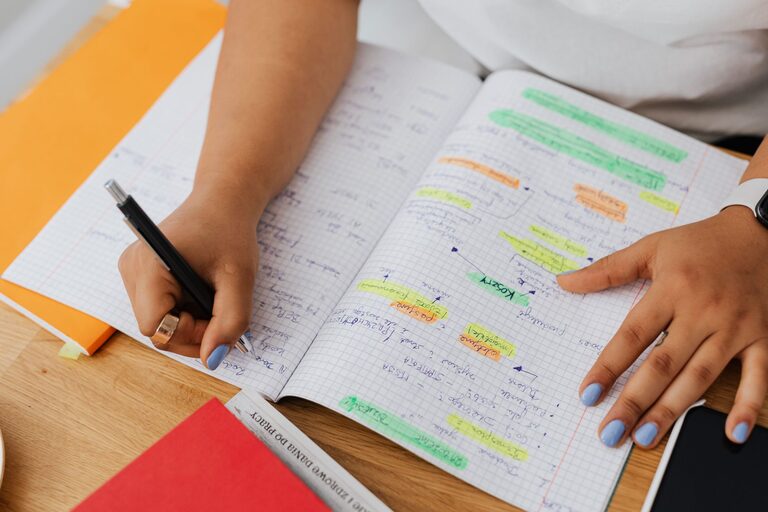
Choosing a notebook might seem like a simple task, but picking the right one can make a big difference in how often you use it and how much you enjoy writing in it. Whether you want a notebook for journaling, to-do lists, work notes, or creative projects, selecting the right notebook can boost your motivation and help you stay organized.
In this post, we’ll walk you through the key factors to consider when choosing a notebook you’ll actually use. From size and paper quality to binding and design, these tips will make your next notebook purchase a great one.
Why Choosing the Right Notebook Matters
Notebooks come in all shapes, sizes, and styles. If you pick one that doesn’t fit your lifestyle or preferences, it might end up sitting unused on your shelf. The right notebook, on the other hand, can become your daily companion, encouraging you to jot down ideas, manage tasks, or simply record memories.
Let’s explore how to find a notebook that feels just right for you.
1. Consider How You Plan to Use Your Notebook
Start by asking yourself what you want to do with your notebook. Different uses may require different features:
– Journaling or personal reflections: You might want a notebook with smooth, thick paper that handles pen ink well.
– Work or school notes: Consider a notebook with numbered pages or sections for easier organization.
– Creative sketches or doodles: Look for a notebook with blank or lightly dotted pages.
– Planning and tasks: A planner-style notebook with dates or grids can help keep you structured.
Knowing your primary use will narrow down your options.
2. Choose the Right Size
Notebooks come in various sizes, from pocket-sized to large sketchbooks. Here are common sizes and their advantages:
– Pocket (3.5″ x 5.5″): Great for quick notes on the go, but limited space.
– A5 (5.8″ x 8.3″): A popular size that balances portability and writing area.
– A4 (8.3″ x 11.7″): Larger, ideal for detailed notes or drawings, but less portable.
Think about how portable you want your notebook to be. If you carry your notebook everywhere, a smaller size may be easier to manage.
3. Explore Different Paper Types and Quality
The feel of the paper can influence how much you enjoy writing. Important factors include:
– Weight (measured in gsm): Heavier paper (around 90-120 gsm) is thicker and less prone to bleed-through from pens.
– Texture: Some prefer smooth paper for fountain pens, while others like a bit of toothiness for pencils.
– Color: White or cream paper can affect readability and eye comfort.
If you use markers or fountain pens, testing paper quality before buying is especially helpful.
4. Decide on the Binding Style
Binding affects durability and how flat your notebook lies when open.
– Spiral-bound: Opens flat and is easy to fold back, but pages can tear out over time.
– Perfect-bound (like a book): Sleek look, but may be hard to write near the spine.
– Sewn binding: Durable and often lies flat, a good choice for notebooks meant to last.
– Disc-bound: Allows page removal and rearrangement, adding flexibility.
Choose what feels comfortable for your writing style and needs.
5. Consider Page Layout and Design
The lines or grids on the page impact the way you write or draw.
– Lined: Classic, great for writing.
– Grid or graph: Useful for charts, math, or neat handwriting.
– Dotted: Offers subtle guides for writing, drawing, or bullet journaling.
– Blank (plain): Ideal for sketches or freeform notes.
Some notebooks offer a combination of layouts or sectioned pages.
6. Think About Cover Material and Durability
Will your notebook be tossed in a bag daily? Choosing a durable cover can protect it from wear and tear.
– Hardcover: Offers more protection and a sturdy writing surface.
– Softcover: Lightweight and flexible but less protective.
– Water-resistant covers: Useful if you’re outdoors or near water.
A cover you love looking at can also make you more excited to use your notebook.
7. Additional Features to Look For
Depending on your preferences, these extras might enhance your notebook experience:
– Elastic band closure: Keeps the notebook closed and pages protected.
– Ribbon bookmark: Handy for marking important pages.
– Pocket folder: Useful for storing receipts, notes, or stickers.
– Perforated pages: Allow easy removal.
– Page numbers and index: Help keep things organized.
8. Personalize Your Choice
Sometimes, adding a personal touch can inspire you to use your notebook regularly.
– Choose a notebook in your favorite color or with a design you like.
– Use stickers or washi tape to decorate pages.
– Write your name or a motivational quote on the cover.
Personalization makes your notebook feel special and uniquely yours.
9. Test Before You Buy, If Possible
If you can, visit a store to hold different notebooks. Feel the paper, flip through pages, and see how the notebook opens. This hands-on experience is invaluable to find what truly fits your style.
If you buy online, check reviews and return policies in case the notebook isn’t quite right.
Conclusion
Choosing a notebook you’ll actually use involves considering your purpose, preferred size, paper quality, binding, and extra features. When you find a notebook that fits your lifestyle and reflects your personality, writing and planning become more enjoyable and effortless.
Remember, there’s no one-size-fits-all answer — experiment with different styles to discover what works best for you. Happy writing!