










Reducing food waste at home is a smart and responsible choice that benefits both your wallet and the environment. Every year, millions of tons of food are thrown away, often due to poor planning or improper storage. By adopting mindful habits, you can cut down on the amount of food that ends up in the trash and make the most of your groceries.
In this post, we’ll explore practical ways to reduce food waste in your household, from smarter shopping to creative cooking techniques.
Why Reducing Food Waste Matters
Before diving into the tips, it’s useful to understand why food waste reduction is important:
– Environmental Impact: Food production uses significant resources such as water, land, and energy. Wasting food means wasting these valuable resources and increasing greenhouse gas emissions from decomposing waste.
– Financial Savings: Tossing food means throwing away money. By reducing waste, you get more value from your grocery budget.
– Social Responsibility: Less food waste means more food available for people who need it.
Now, let’s look at how you can take action at home.
Plan Your Meals and Shop Smart
Create a Weekly Meal Plan
Planning your meals in advance helps you buy only what you need and prevents impulse purchases that may go unused. Write down your meals for the week based on what you already have and what’s on sale.
Make a Detailed Shopping List
Before heading to the store, check your pantry and fridge to see what items you already own. Then, make a list of what you genuinely need to avoid buying duplicates.
Stick to the List
It’s tempting to grab extra groceries, but sticking to your list reduces the chance of food spoiling before you use it.
Store Food Properly
Understand Storage Guidelines
Different foods require varying storage conditions. For example, some fruits like apples emit ethylene gas that can speed up ripening of other produce. Keep such items separate to extend freshness.
Use Airtight Containers and Wraps
Properly sealed containers help maintain moisture levels and prevent odors from spreading, keeping food fresh longer.
Label and Date Leftovers
Marking leftovers with the date helps you remember to use them before they spoil.
Use Leftovers Creatively
Repurpose Meals
Turn last night’s roast chicken into a salad or sandwich filling. Leftover vegetables can be added to soups, stews, or stir-fries.
Freeze Extras
If you have extra portions, freezing them preserves food for future meals, reducing waste and saving time.
Practice Portion Control
Serve smaller portions to avoid uneaten food on plates. You can always go back for seconds if still hungry, but it’s easier to avoid waste this way.
Understand Expiration Labels
“Best by,” “use by,” and “sell by” dates can be confusing. Many foods are safe to eat after these dates if they show no signs of spoilage. Use your senses—look, smell, and taste—to judge whether food is still good.
Compost Food Scraps
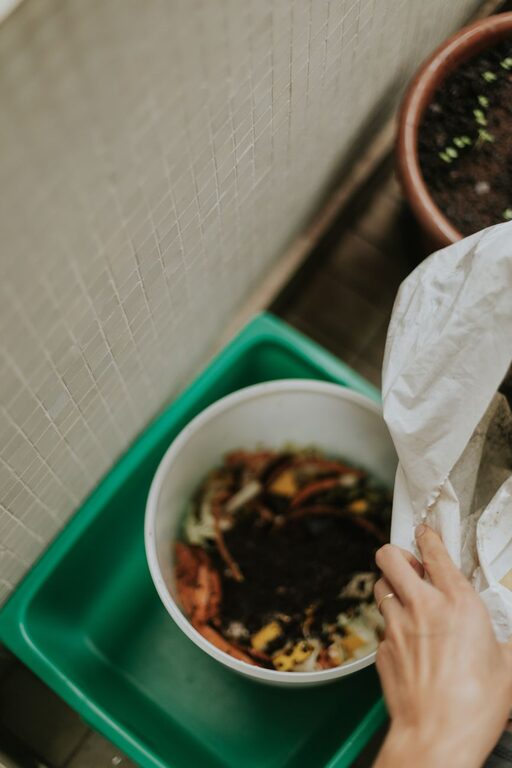
Even with careful planning, some food scraps are inevitable. Composting vegetable peels, coffee grounds, and eggshells turns waste into nutrient-rich soil for your garden. This is a great way to reduce landfill waste.
Educate Your Household
Get everyone involved in reducing food waste. Teach children the value of food and encourage family members to share ideas for using up leftovers and minimizing waste.
Final Thoughts
Reducing food waste at home doesn’t have to be complicated. By planning meals, storing food correctly, using leftovers creatively, and being mindful of portions and expiration dates, you can make a significant difference. Every small step adds up to saving money, conserving resources, and supporting a healthier planet.
Try incorporating these tips into your routine and enjoy the benefits of a waste-conscious lifestyle.