









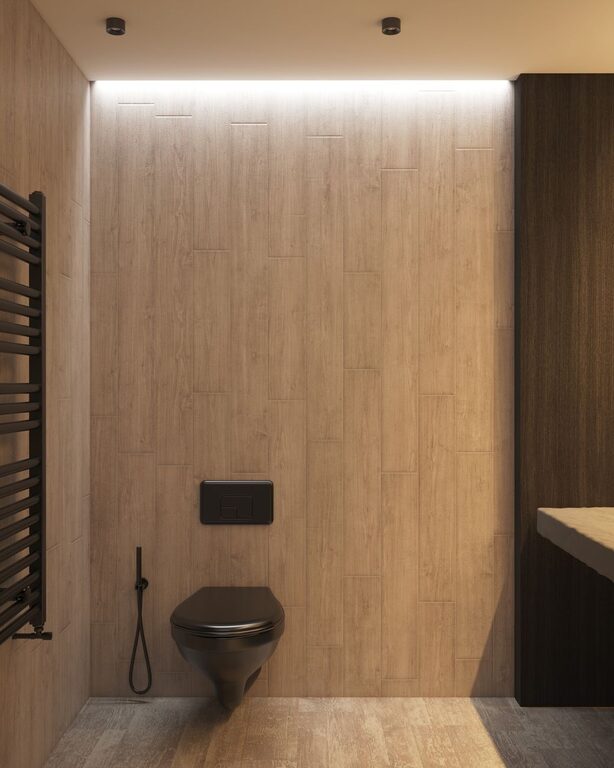
Creating a minimalist bathroom setup is an excellent way to bring calm, order, and elegance to one of the most used rooms in your home. A minimalist bathroom focuses on simplicity, functionality, and clean lines, helping you create a space that feels open and refreshing. Whether you have a small powder room or a spacious master bath, these design principles can make a big difference.
In this guide, we’ll walk you through practical steps to design your ideal minimalist bathroom—from decluttering to choosing fixtures and decor.
What Is a Minimalist Bathroom?
Minimalism in bathroom design means keeping only what you need and love. It’s about clear surfaces, simple shapes, and neutral colors. The goal is to create a serene environment free from unnecessary items and distractions.
Key characteristics of a minimalist bathroom include:
– Clean, uncluttered surfaces
– Neutral or monochromatic color schemes
– Simple, functional fixtures and fittings
– Clever storage solutions to hide toiletries
– Minimal decorative elements that enhance calmness
—
Step 1: Declutter and Simplify
The first step toward a minimalist bathroom is decluttering.
How to Declutter Effectively
– Remove everything: Start by emptying cabinets, shelves, and countertops.
– Sort items: Keep only what you use regularly. Toss expired products and duplicates.
– Limit toiletries: Store essential items in easy-to-reach places to maintain order.
– Create a routine: Dedicate time monthly to tidy and reassess what is needed.
Decluttering helps you see the real space and plan better storage.
—
Step 2: Choose a Neutral Color Palette
Minimalist bathrooms often rely on calm, neutral colors to enhance the feeling of space and cleanliness.
Popular Color Choices
– White or off-white
– Soft grays
– Beige or light taupe
– Black accents for contrast
These colors reflect light well and create a soothing atmosphere.
Tips for Using Color
– Paint walls in a soft neutral tone to make the room appear larger.
– Use tiles with subtle textures instead of busy patterns.
– Incorporate natural materials like light wood for warmth.
—
Step 3: Select Simple, Functional Fixtures
The right fixtures contribute greatly to the minimalist vibe.
Key Fixtures to Consider
– Floating vanities: These create a clean look and make floors easier to clean.
– Wall-mounted faucets: These reduce countertop clutter.
– Simple mirrors: Opt for frameless or thin-framed mirrors.
– Streamlined lighting: Choose subtle LED fixtures that provide ample, even light.
Avoid overly ornate or bulky fixtures to maintain simplicity.
—
Step 4: Optimize Storage with Practical Solutions
Storage plays a crucial role in minimalist design. Everything should have a place.
Smart Storage Ideas
– Built-in cabinetry: Conceal products behind smooth, handle-less doors.
– Recessed shelves: Use wall niches in showers or near sinks.
– Baskets and organizers: Use uniform containers to keep items tidy inside cabinets.
– Medicine cabinets with mirrors: Dual function helps reduce the number of objects on counters.
Keeping storage out of sight helps maintain the uncluttered look.
—
Step 5: Incorporate Minimalist Accessories
While decor is minimal, thoughtful accessories can add personality and warmth.
Accessory Ideas
– A simple vase with fresh greenery or a single flower
– Soft, white towels folded neatly or hung uniformly
– A soap dispenser and toothbrush holder in matching, plain designs
– A subtle scent diffuser for a calming environment
Remember: Less is more. Choose items that serve a purpose or bring joy without overcrowding the space.
—
Step 6: Maintain Cleanliness and Order
A minimalist bathroom only stays beautiful if it’s regularly maintained.
Tips for Maintenance
– Wipe down surfaces daily to prevent buildup.
– Keep cleaning supplies handy but out of sight.
– Return items to their storage spots after use.
– Periodically reassess possessions to avoid clutter buildup.
Commitment to upkeep ensures your bathroom remains a restful retreat.
—
Optional: Add Natural Elements
Natural elements can enhance the minimalist aesthetic and create a spa-like feel.
– Add a small potted plant suited for bathroom moisture like a fern or orchid.
– Use bamboo or wooden bath mats and accessories.
– Incorporate stone soap dishes or pebble accents.
These touches bring life and texture while keeping the space calm.
—
Conclusion
Creating a minimalist bathroom setup is about intentional choices that promote simplicity and tranquility. Start by decluttering and selecting a neutral color scheme, then invest in clean-lined fixtures and smart storage options. Finish with minimal, purposeful accessories and a commitment to keep the space tidy.
The result? A bathroom that feels like a peaceful sanctuary, making daily routines more enjoyable.
—
Try incorporating these ideas into your bathroom and enjoy the light, airy, and organized space you deserve!