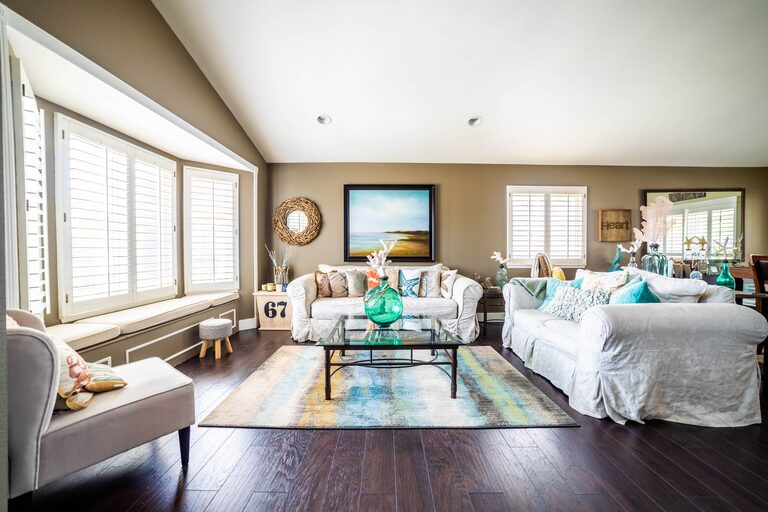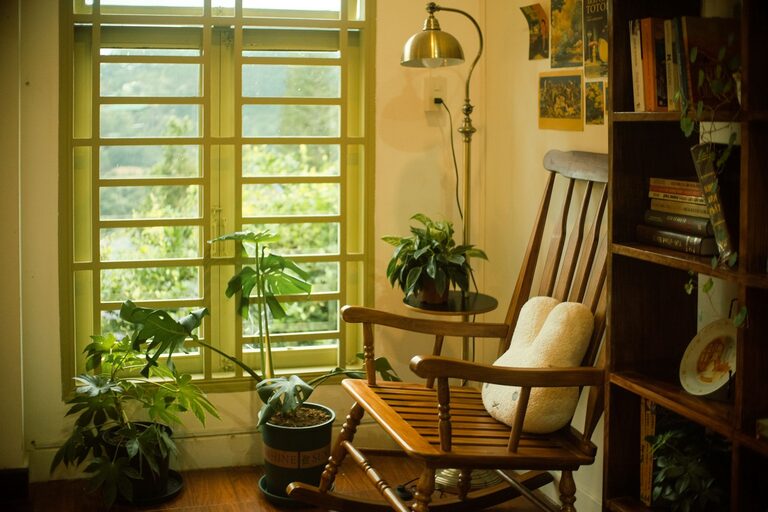










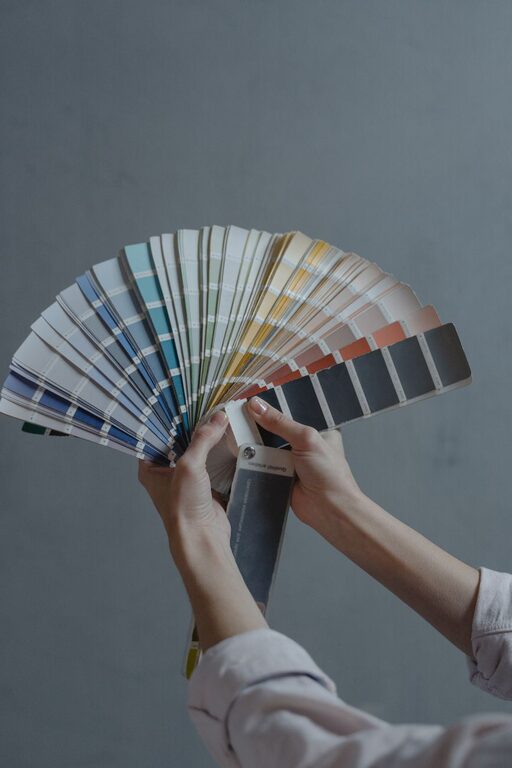
Creating a calm and relaxing environment at home starts with the colors you choose. Colors have a powerful effect on our mood and energy, and selecting the right shades can transform any space into a peaceful retreat. Whether you’re refreshing a single room or redesigning your entire home, understanding how to pick calm colors can help you achieve the serenity you desire.
In this post, we’ll explore practical tips and ideas for choosing calm colors that promote relaxation and balance in your living spaces.
Why Choose Calm Colors?
Calm colors, often soft and muted tones, help reduce stress and create a sense of tranquility. Unlike bright or intense shades, calm colors don’t overwhelm the senses. Instead, they encourage restfulness, making them ideal for bedrooms, living rooms, or any place where you want to unwind.
Understanding Color Psychology
Before selecting colors, it’s helpful to know how different hues affect emotions:
– Blues: Often associated with calmness and peace, blue shades can lower blood pressure and slow breathing.
– Greens: Remind us of nature and growth, evoking balance and harmony.
– Neutrals: Colors like beige, gray, and cream provide a soothing base that complements other colors.
– Soft Pinks and Lavenders: Gentle pastels can promote feelings of warmth and comfort.
Tips for Choosing Calm Colors
1. Consider the Room’s Purpose
Think about how you use the room. Bedrooms benefit from peaceful blues or soft greens, while living rooms may thrive with warm neutrals or gentle pastels. Kitchens and bathrooms can also use calm colors, but brighter spaces might be balanced with subtle accent tones.
2. Choose Lighter Shades
Light shades tend to feel more open and airy, contributing to a calming effect. For example, pale blue or light gray walls can make a room feel spacious and serene.
3. Use a Neutral Base
Starting with neutral colors on walls or large furniture pieces gives you flexibility in adding other calm colors through accents like throw pillows, curtains, or artwork. Neutrals also help to ground the space and prevent it from feeling too busy.
4. Incorporate Natural Elements
Pair your color choices with natural materials such as wood, stone, or plants. These elements enhance the calming atmosphere and add texture without overwhelming the space.
5. Avoid Overly Saturated Colors
Bright or overly saturated colors can energize a space, which may not be desirable when aiming for calmness. Instead, look for muted or pastel versions of your favorite colors.
6. Test Colors in Different Light
Colors can look very different depending on the natural and artificial lighting in your home. Always test paint samples on your walls at various times of the day to see how they perform.
7. Create Color Harmony with Accents
Use accessories like rugs, cushions, or lamps in colors that complement your main paint choice. For example, soft blue walls paired with cream and gentle green accents can create a cohesive and soothing palette.
Popular Calm Color Palettes
Here are a few combinations that work well together:
– Soft Blue + Warm White + Light Gray: A classic calming palette inspired by sky and clouds.
– Sage Green + Beige + Natural Wood Tones: Brings the outdoors inside with a relaxed vibe.
– Pale Lavender + Cream + Soft Taupe: Adds a touch of warmth with understated elegance.
– Light Gray + Dusty Rose + Soft Aqua: A gentle mix for a modern yet cozy feel.
Practical Steps to Implement Calm Colors
- **Start Small:** Begin with one room or even a single wall to test your color choices.
- **Use Samples:** Paint large swatches or use peel-and-stick wallpaper samples.
- **Layer Colors:** Combine wall colors with upholstery and decor to build depth.
- **Keep it Balanced:** Make sure no color overwhelms another; aim for a harmonious blend.
- **Refresh as Needed:** Don't hesitate to update your colors over time to maintain the feeling of calm.
Final Thoughts
Choosing calm colors for your home is a wonderful way to create a sanctuary from daily stresses. By understanding color psychology, selecting the right shades, and considering your space and lighting, you can design an environment that supports rest and relaxation. Remember, the best color for your home is one that feels good to you.
If you’re ready to transform your living space with calming colors, start experimenting today—you may be surprised at how a simple color change can positively impact your mood and well-being.