








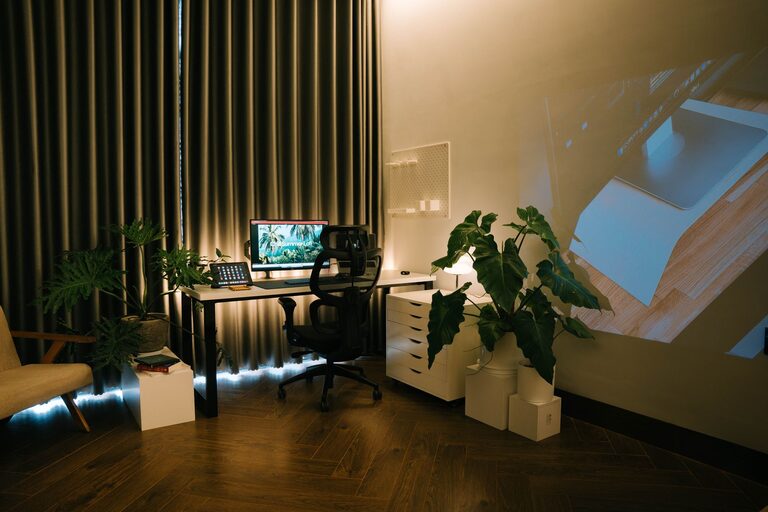
Creating a relaxing home workspace is essential for maintaining focus and comfort, especially when working remotely or spending extended hours at your desk. A well-designed area can reduce stress, increase productivity, and help you separate work from personal life. In this post, we’ll explore practical tips to help you transform any corner of your home into a calming and efficient workspace.
Why a Relaxing Workspace Matters
Your work environment has a significant impact on your mood and efficiency. A cluttered or uncomfortable space can lead to distractions and fatigue, while a thoughtfully arranged area encourages concentration and creativity. By making your workspace inviting and peaceful, you set the stage for better workdays.
Choosing the Right Spot in Your Home
Consider Natural Light
Natural light is one of the best elements for a calming workspace. Position your desk near a window if possible. Natural light helps regulate your body’s internal clock, improves mood, and reduces eye strain.
Minimize Noise and Distractions
Choose a quiet area away from high-traffic zones. If you cannot avoid noise, consider noise-canceling headphones or playing gentle background music to improve focus.
Ensure Sufficient Space
Select a spot with enough room for your equipment and movement. Feeling cramped can increase stress and reduce productivity.
Selecting Comfortable and Functional Furniture
Invest in an Ergonomic Chair
A comfortable chair with proper lumbar support is crucial to avoid back pain and discomfort during long hours.
Choose a Desk that Fits Your Needs
Your desk should be the right height and size for your tasks, ensuring your arms can rest comfortably while typing or writing.
Add Adjustable Elements
Adjustable desks, such as standing desks, allow you to alternate positions during the day, promoting better posture and circulation.
Personalizing Your Workspace
Use Calming Colors
Colors affect mood and energy levels. Soft blues, greens, or neutral tones create a soothing atmosphere, while bright colors can offer energy boosts.
Add Plants
Indoor plants not only enhance aesthetics but also improve air quality and bring a touch of nature indoors, which can reduce stress.
Decorate with Meaningful Items
Include photos, artwork, or inspirational quotes that make you feel positive and motivated without cluttering the space.
Organizing for Clarity and Efficiency
Declutter Regularly
Keep only essential items on your desk. A tidy space reduces distractions and helps your mind stay clear.
Utilize Storage Solutions
Use drawers, shelves, or organizers to keep supplies and papers in order and out of sight when not in use.
Manage Cables Neatly
Tangled cords can be distracting and look messy. Use clips, sleeves, or ties to keep cables organized.
Enhancing Comfort and Wellness
Control Room Temperature
Maintain a comfortable temperature to avoid distractions caused by being too hot or cold.
Improve Lighting
If natural light is limited, use adjustable desk lamps with warm light to reduce eye strain.
Take Breaks and Move
Incorporate short breaks for stretching or walking. Movement refreshes your mind and body, enhancing productivity.
Technology Tips for a Smooth Workflow
Use Quality Equipment
Invest in a reliable computer, keyboard, and mouse to prevent frustration and improve efficiency.
Keep Software Updated
Ensure your programs and security software are current to avoid technical issues.
Minimize Notifications
Turn off non-essential notifications to reduce distractions during focused work periods.
Final Thoughts
Creating a relaxing home workspace doesn’t require a complete renovation. Small changes tailored to your needs can make a big difference in how you feel and work. By choosing the right location, investing in comfortable furniture, organizing thoughtfully, and personalizing the space, you’ll foster an environment where productivity and relaxation go hand in hand. Remember, your workspace is a reflection of how you want to work—make it a place you enjoy spending time in.